NTZ Group — Company 05
TERRAKILI SARL
Agriculture & Agribusiness
Overview
Developing Modern Agriculture in the DRC
A Congolese agricultural development company incorporated in the Democratic Republic of Congo. Terrakili is the project owner and sponsor of the Mweka Agri-Project and holds the leasehold title to an agricultural concession of about 48,000 hectares in the Kasai province, awarded by decrees of the Kasai Provincial Governor and the President of the Republic.
Terrakili was founded by Congolese entrepreneurs Serge Ngandu and Franck Nyimilongo Pieme, and works in close cooperation with experienced South African commercial farmers. The company is committed to strengthening food security in the DRC through professional, sustainable commercial farming that partners with local communities.
Vision & Mission
Vision
To develop a successful medium-sized crop farming operation that addresses food security in the Province of Kasai and the DRC — a modern agro-industrial model that builds capacity for smallholder farmers while conserving natural resources.
Mission
To model regenerative farming that improves land health, train local farmers in modern methods and soil management, and give smallholders reliable access to markets for their produce.
The Journey So Far
Soil & climate studies
Land and soil samples tested at the University of Lubumbashi, confirming fertile sandy-loam soils and a favourable tropical climate.
Survey & demarcation
Cadastral surveys and demarcation of the concession blocks with the Mweka land registry, followed by the state award of the concession.
Milling & storage concept
Plans developed for a maize-flour mill, grain drying and silo storage of up to 30,000 tonnes.
Launch of operations
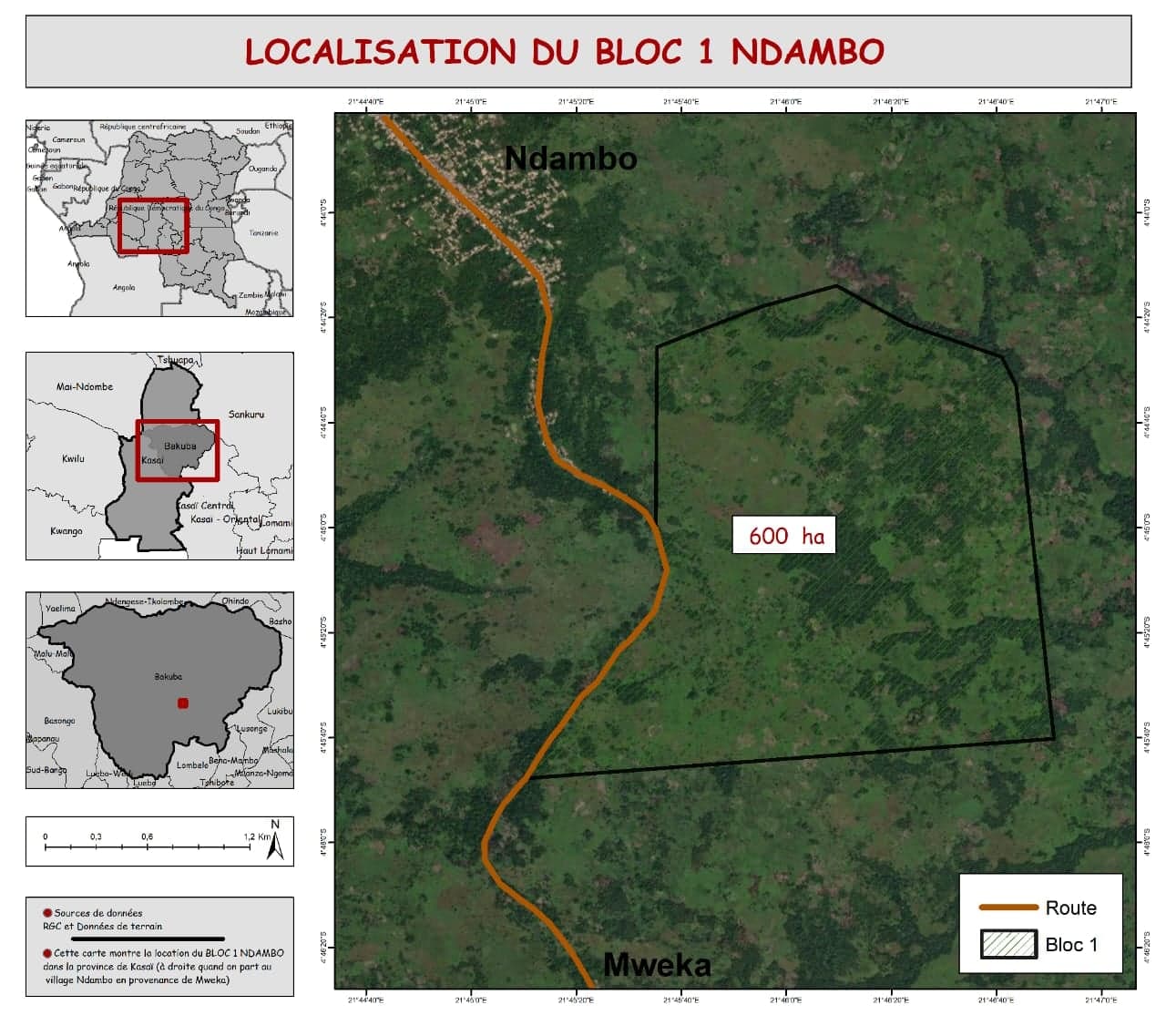
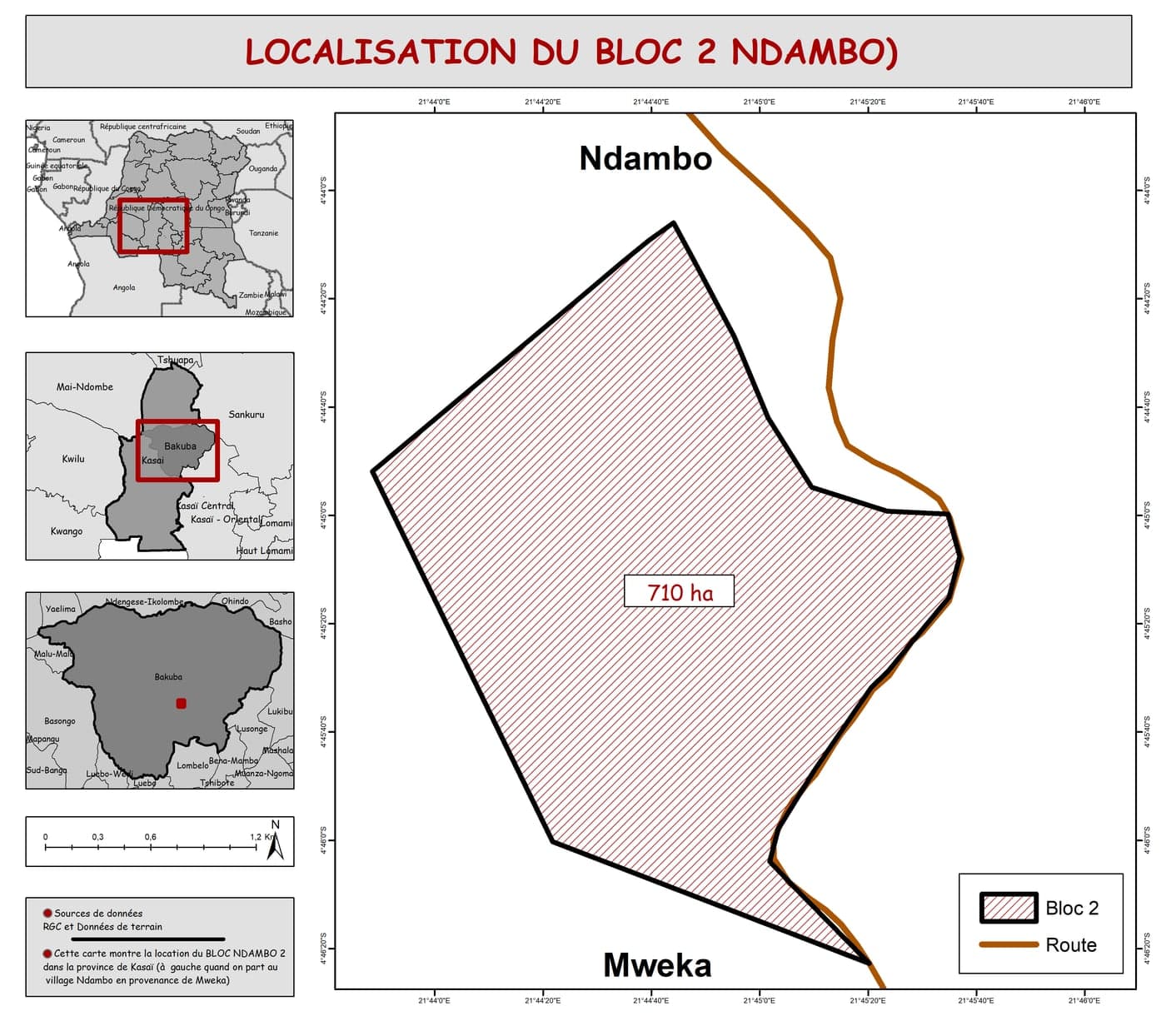
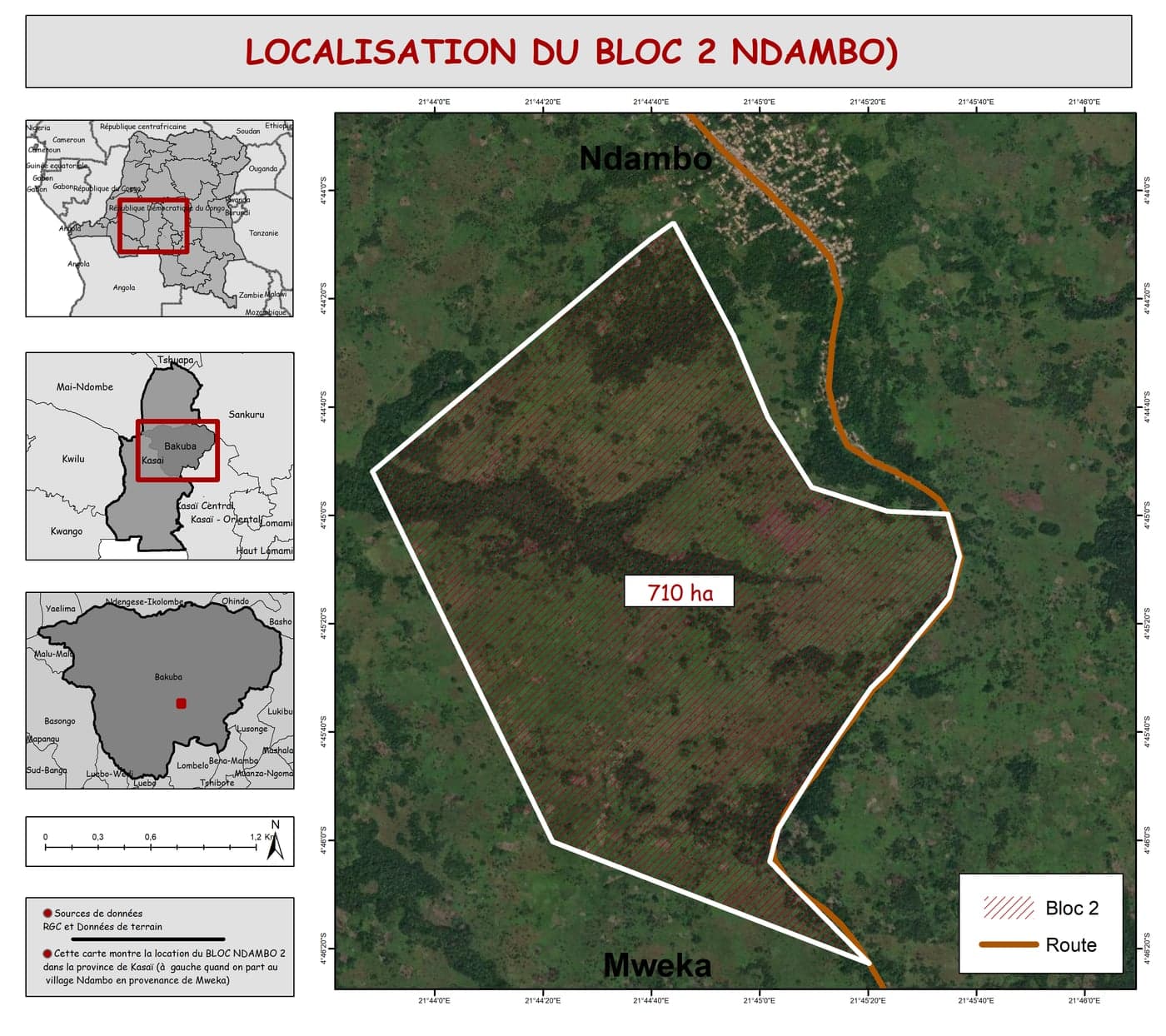
Business plan on an initial farming footprint of 1,310 hectares near Ndambo, starting up with commercial partners and local labour.
The Concession
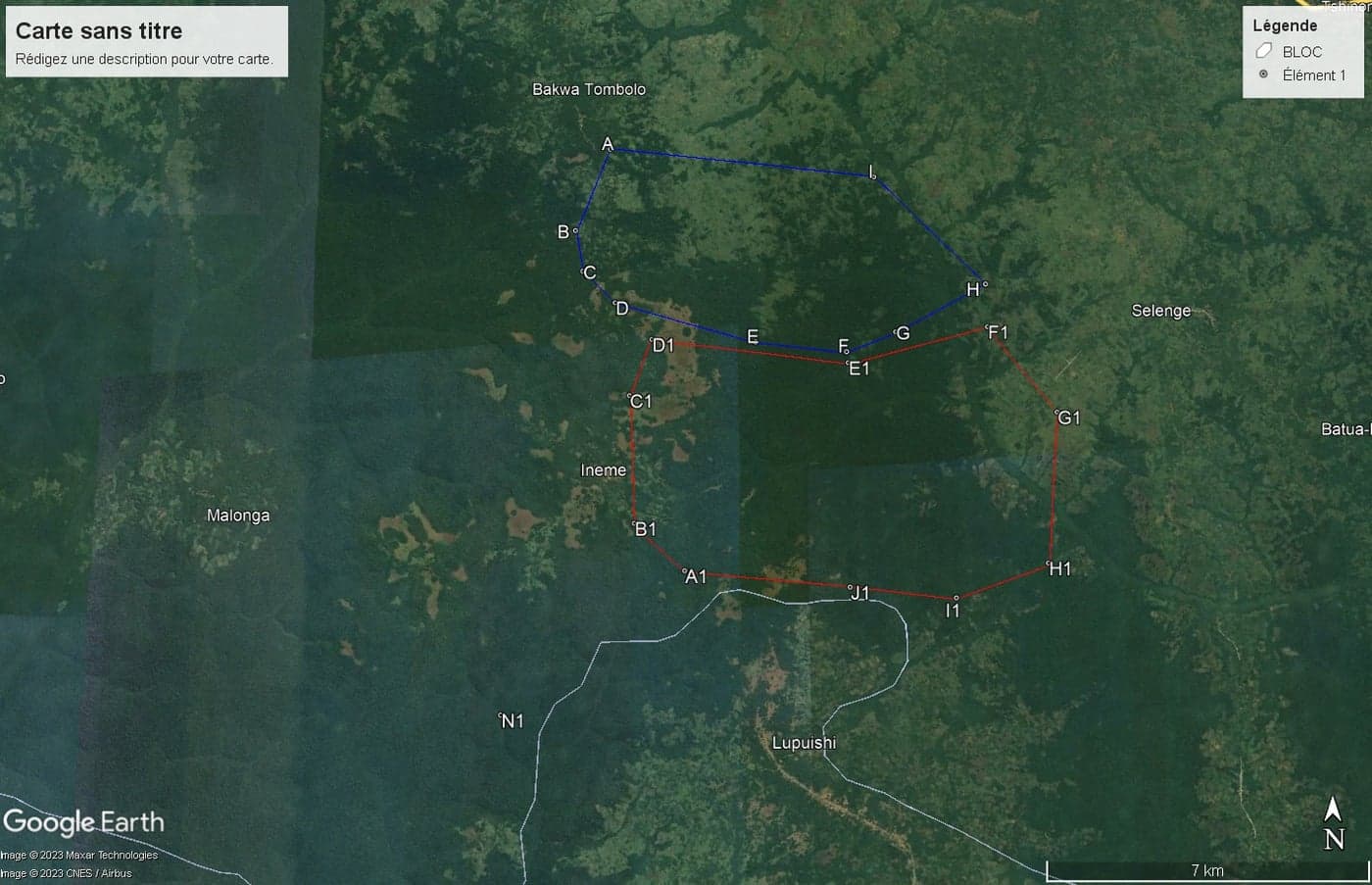
The concession comprises thirteen blocks across eight sites — Ndengamongo II, Itunga Mpende, Ndambo, Itapanya Camp, Inema Makolo, Malongo III, Tena Mashobi and Kin-A-Mbuom — spread over a radius of roughly 100 km around the town of Mweka. It was acquired in a genuine, registered process: agreements with traditional chiefs, surveys by the land and agriculture administrations, and decrees of the Provincial Governor and the President of the Republic, on a renewable 25-year state lease. An area of about 1,310 hectares near Ndambo forms the focus of the first phase.
48,000 ha
Concession area
1,310 ha
Phase-one focus (Ndambo)
25 years
Renewable leasehold
13 blocks
Across 8 sites
Why It Matters
The DRC holds about 80 million hectares of arable land — among the largest potentials in Africa — yet less than ten percent is cultivated, and around 80 percent of the country's domestic food needs are met by imports. The Kasai province offers fertile soils and two harvests a year. This is the gap the Mweka Agri-Project is built to fill.
150+
Permanent jobs targeted
500+
Casual jobs in the community
2
Harvests per year in Kasai
80%
of DRC food needs currently imported
Crops & Innovation
The project grows six crops selected for food security and market demand. Cultivation is designed around modern, mechanised techniques — drones for crop surveillance and precision spraying, GIS for precision farming and crop forecasting, and IoT sensors for real-time field monitoring — alongside enhanced seeds and regenerative soil management.
Maize
A staple cereal; the project targets a step-change in provincial supply of maize meal.
Cassava
The DRC's number-one staple food, processed into fufu, garri and flour.
Soybeans
A protein-rich crop serving animal feed and humanitarian food blends.
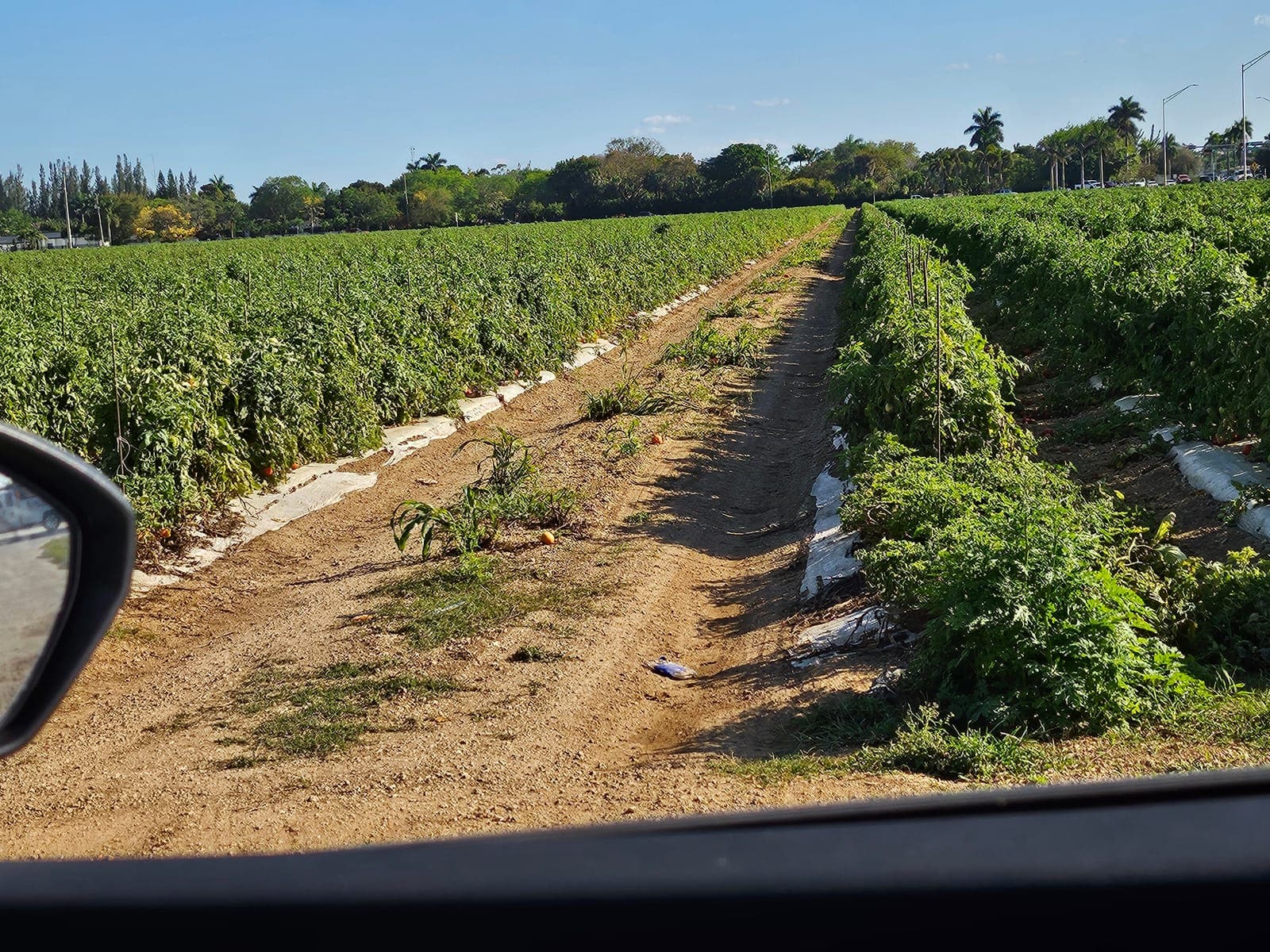
Tomato
High-demand fresh and processed produce for local and regional markets.
Beans
A key protein staple within the regional diet.
Banana
Food security and cash crop with strong local demand.
Processing & Markets
Beyond primary production, the project is designed to process and store grain on-site — including a maize-flour milling facility, a grain-drying unit and silo storage of up to 30,000 tonnes. The concession's position on the Ilebo–Lubumbashi railway, linked by river and road to Kinshasa, places production close to the markets it serves.
Kasai Province
Provincial demand for maize meal is estimated at 540–840 tonnes per day against large production deficits across maize, cassava and groundnuts.
Kinshasa
A market of roughly 17 million people, served via the Kasai and Congo river waterways through Ilebo.
Grand Kasai
The wider Kasai region adds some 14 million people, with soybean also serving animal feed and humanitarian food blends.
Community & Partnership
Employment and training sit at the heart of the project. Terrakili works with a model of cooperative farming in which experienced commercial farmers transfer skills to local producers, who gain modern techniques, improved seeds and a reliable market for their harvest.
The project supports established local institutions such as INERA (the National Institute for Agronomic Study & Research) at Bena-Longo — a research and extension station active since colonial times, located just 14–20 km from the Ndambo focus area — alongside CAPSA, which produces and distributes improved seeds and coaching to farmers. Surrounding technical schools (ITV and ITA) provide an agricultural and veterinary skills base the project intends to grow.
Key commitments include creating more than 150 permanent and 500+ casual jobs, supporting smallholder farmers with training and a market for their produce, and contributing to community infrastructure such as a school, health facilities, water and electricity access.
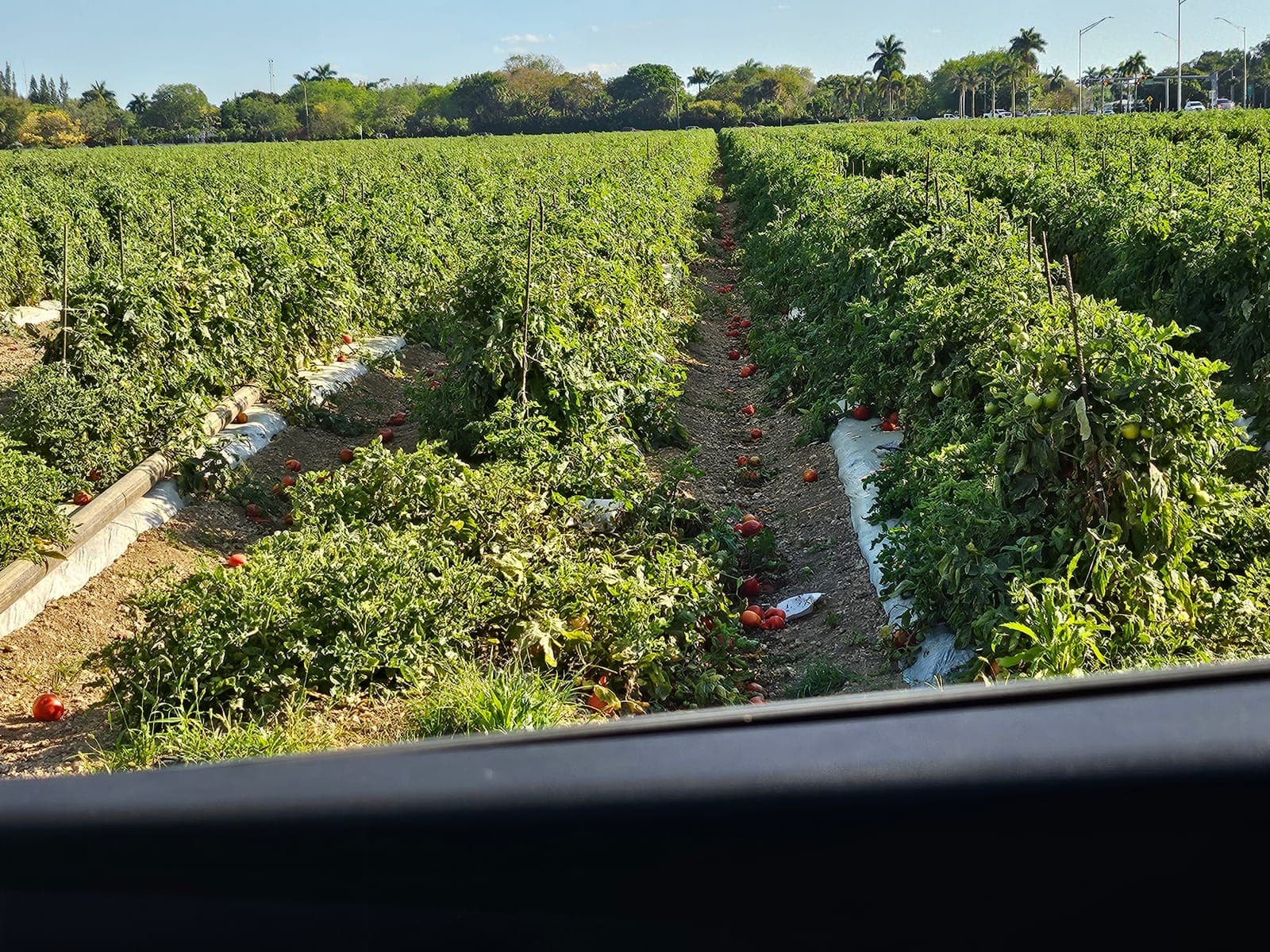
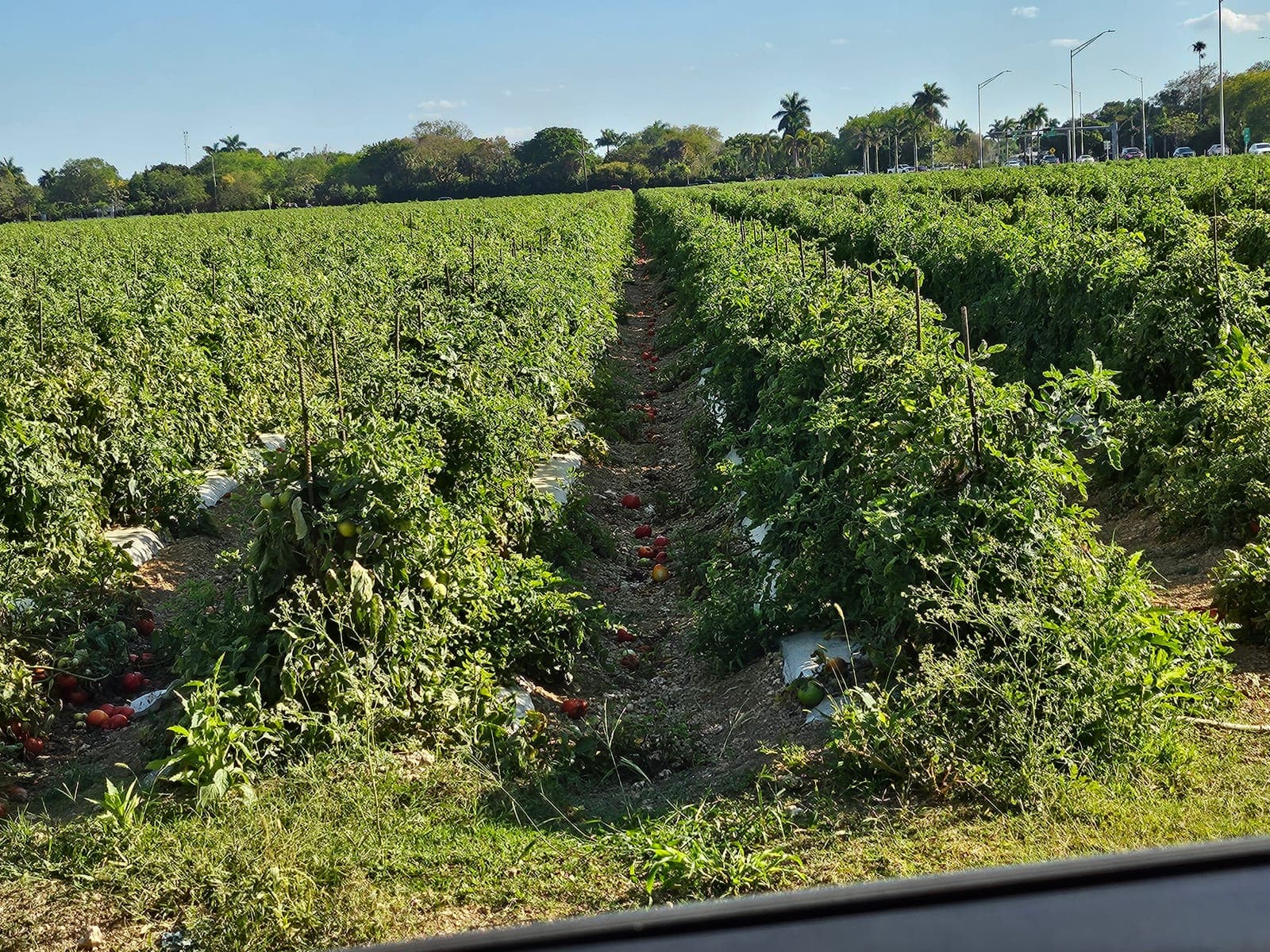
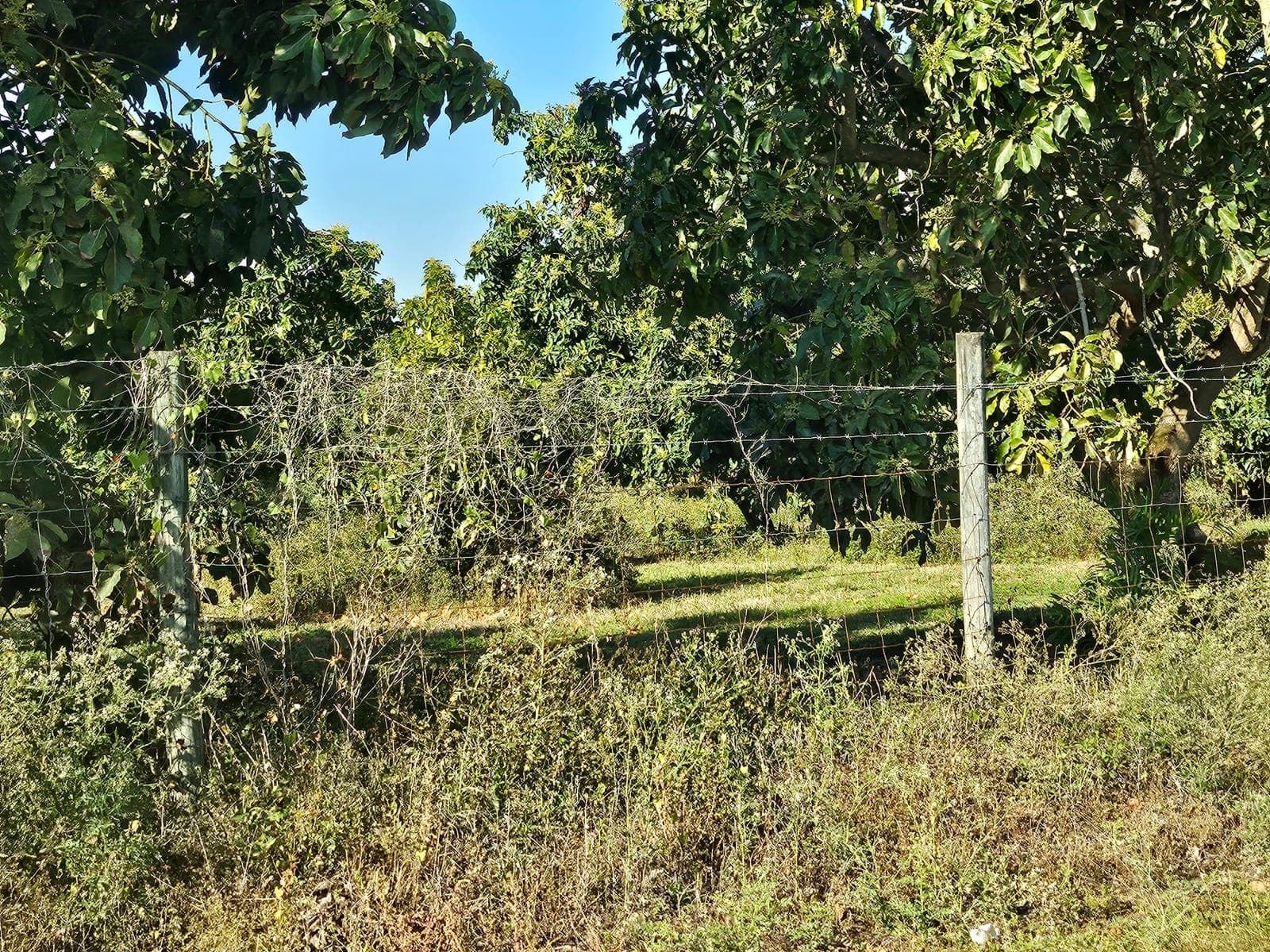
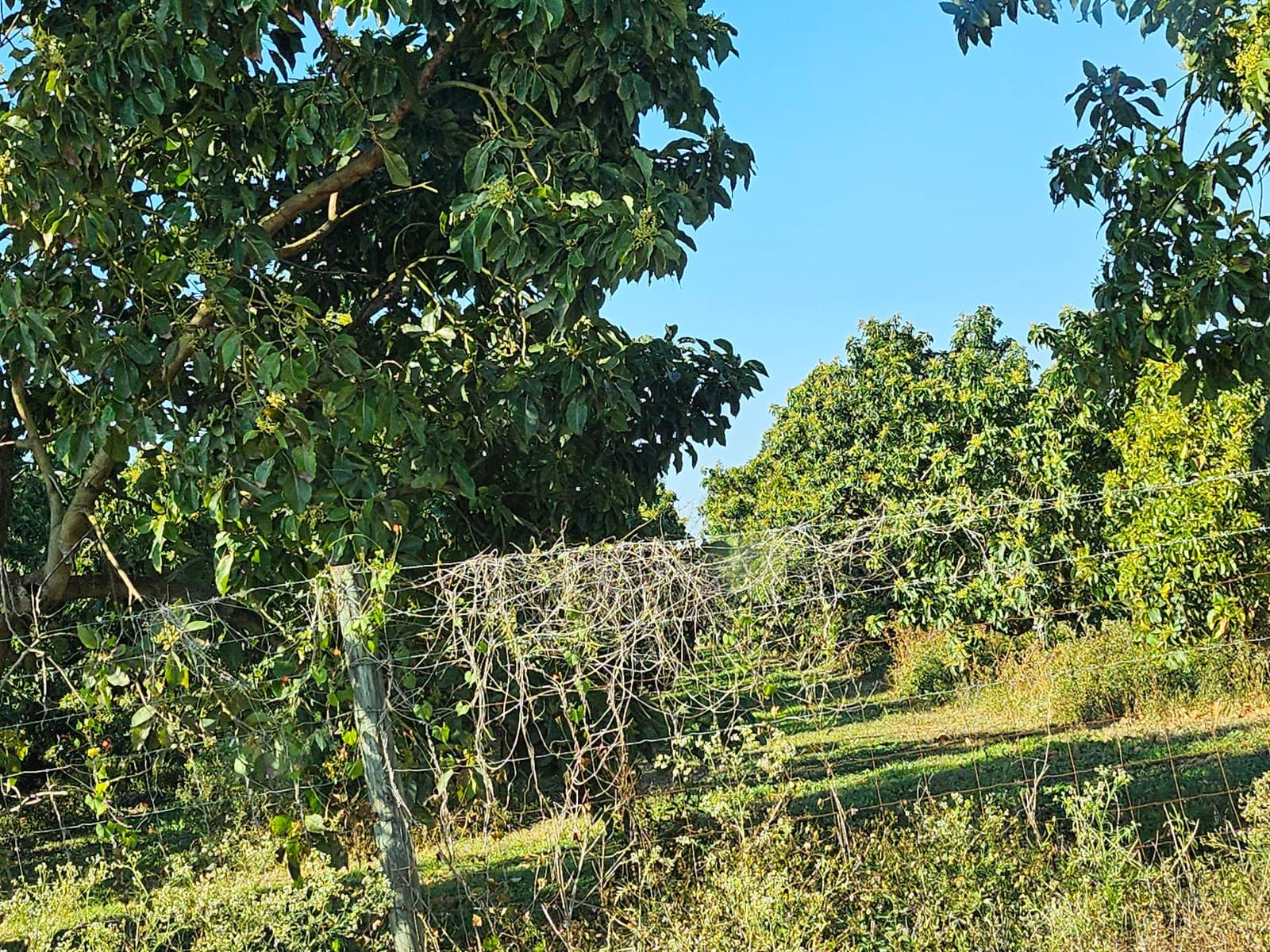
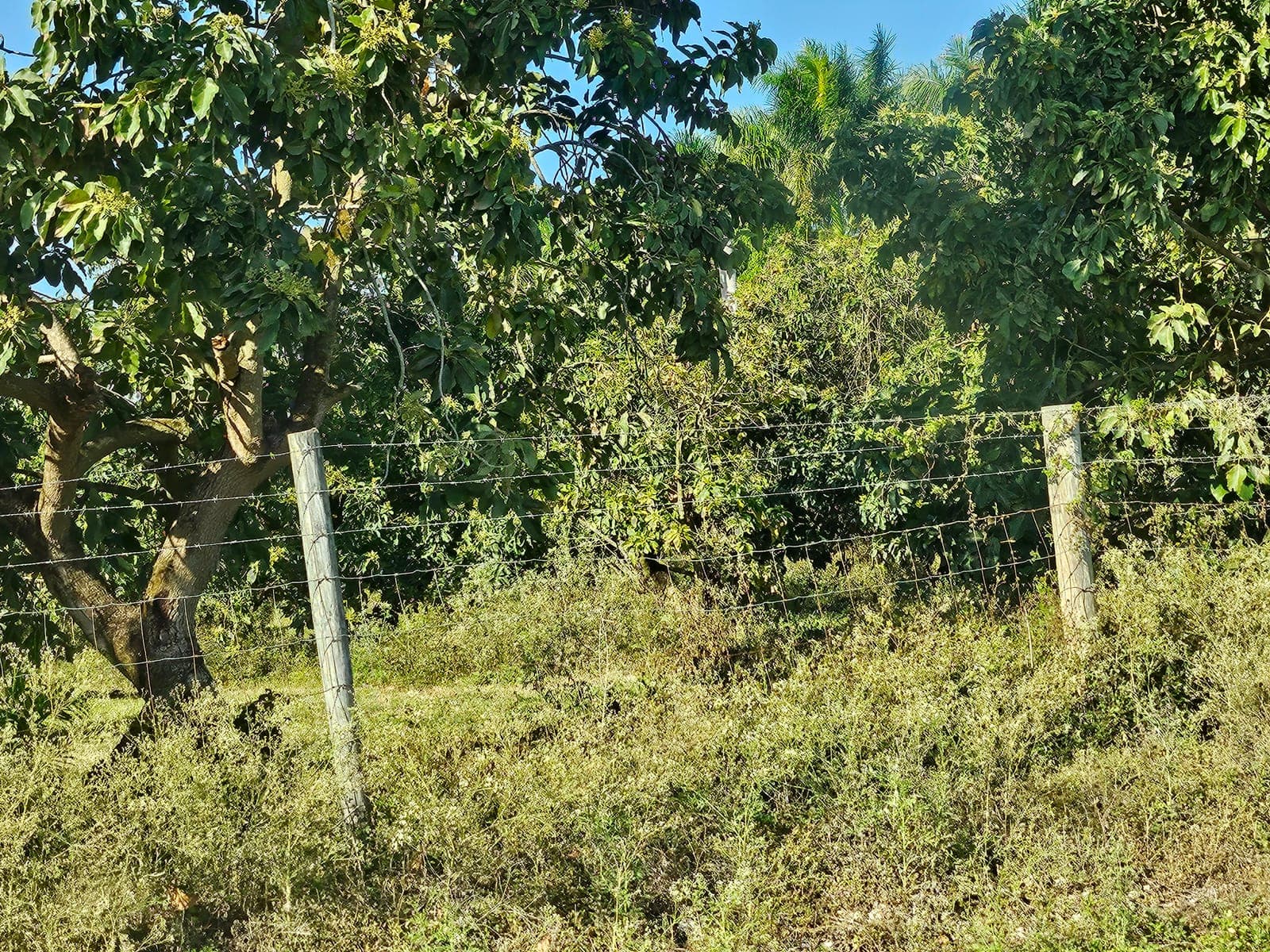
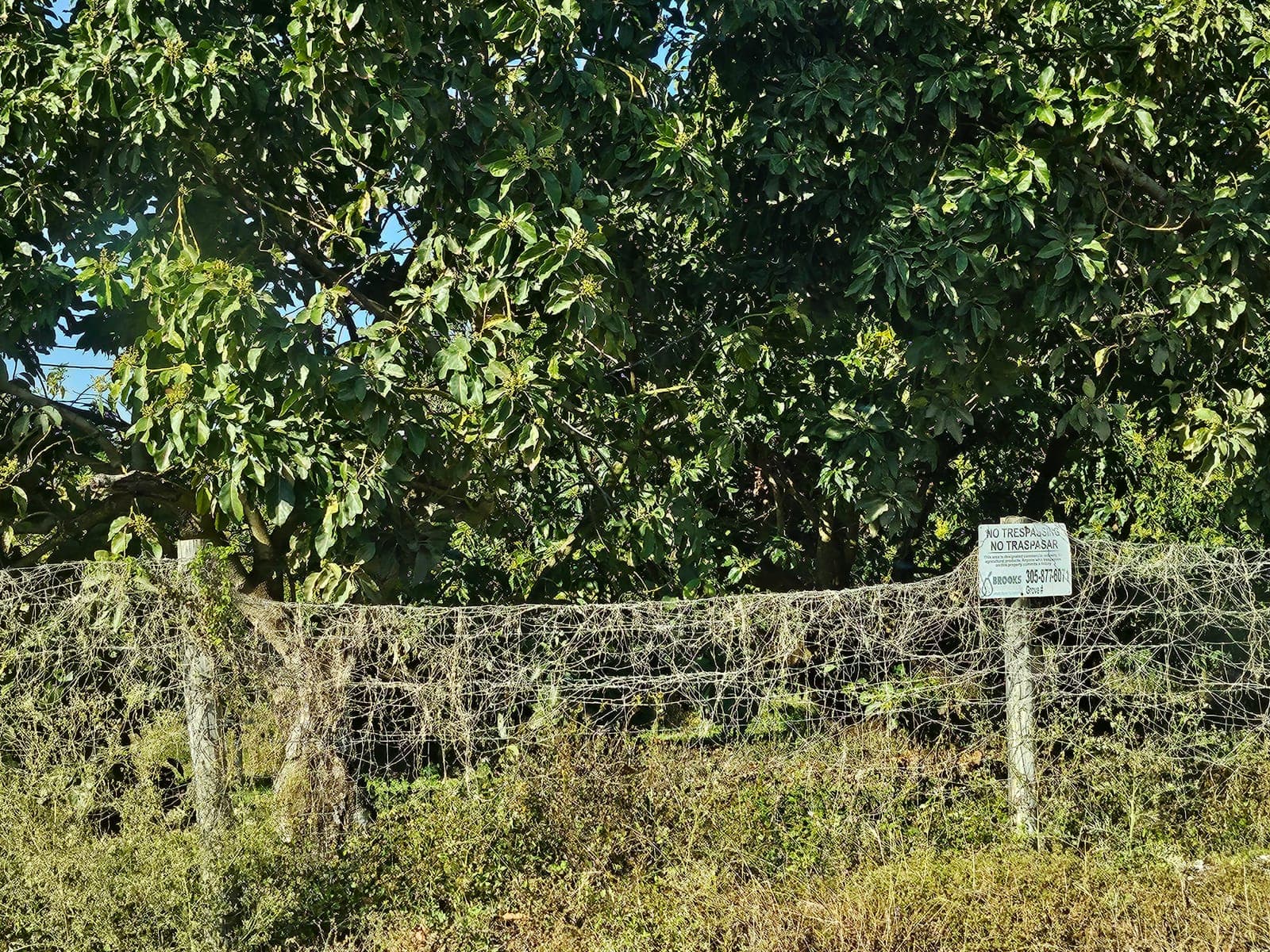
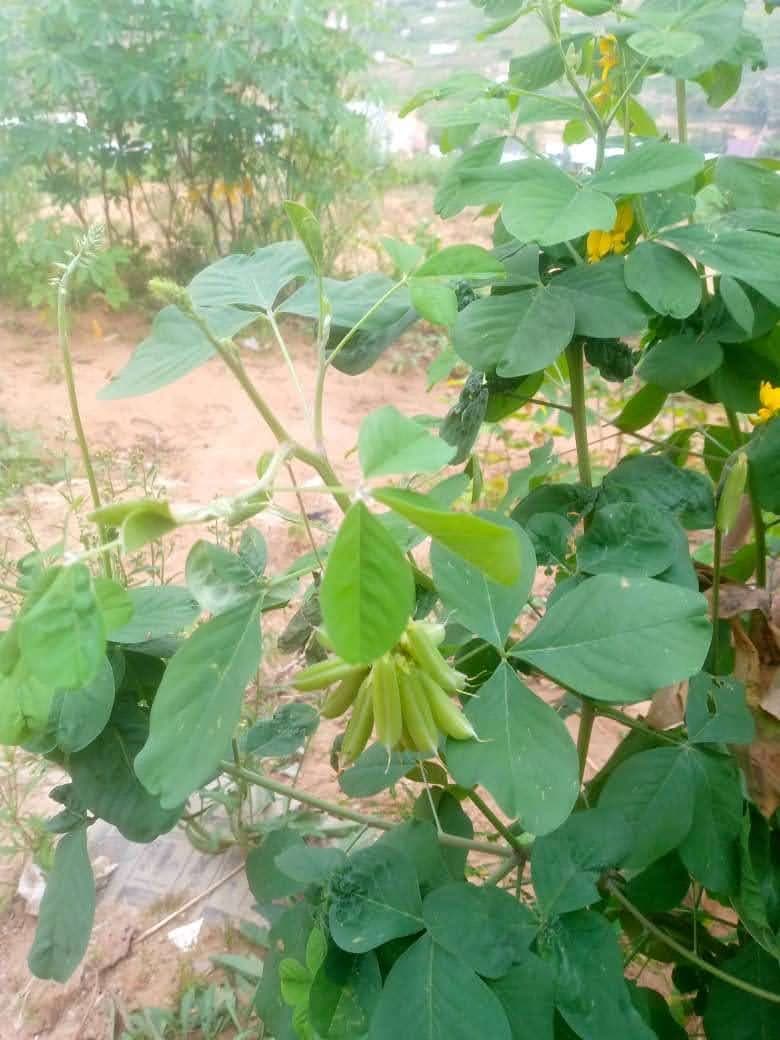
From the Site
Team & Governance
Founders
Serge Ngandu and Franck Nyimilongo Pieme bring decades of combined experience in agriculture, agribusiness and business management in Southern Africa.
Management
Terrakili operates with a professional management structure covering Finance, Operations, Commercial & Marketing, Human Resources, Logistics, Maintenance, Production, Distribution and Legal affairs.
Farming Model
Production runs on a cooperative model in which experienced commercial farmers transfer techniques to a Congolese farmers' co-operative through hands-on training and skills development.
Location & Access
Rail
The Ilebo–Lubumbashi railway line passes through Mweka territory, linking the project to markets in Lubumbashi and to Ilebo for river connection to Kinshasa.
River
The Kasai River and its tributaries connect the concession to Kinshasa via the Congo River, with plans for tug-and-barge freight.
Road
Key outlets include Mweka–Bena Makima (~80 km, the recommended outlet), Mweka–Ilebo (~150 km) and Mweka–Luebo (~75 km).
Energy
A planned mini-hydro power plant of 4–5 MW on the Luekedi River would supply the farming operation and surrounding community.
Activities
Agriculture & Agribusiness
Through Terrakili SARL, we are developing the Mweka Agri-Project — a commercial crop farming operation in the Kasai province growing maize, cassava, soybeans, tomato, beans and banana. Using modern machinery, drones, GIS and IoT, it combines sustainable production with job creation and training for local farmers.
Leadership
Serge Ngandu
Co-Founder — Terrakili SARL
Franck Nyimilongo Pieme
Co-Founder — Terrakili SARL
Location
Kinshasa-Gombe
Democratic Republic of Congo
Contact